
Tinplate vs. Aluminum: Which Metal is Right for Your Packaging?
To the untrained eye, a silver metal box is just a metal box. But for procurement managers and packaging engineers, the difference between Tinplate and Aluminum is night and day.
Choosing the wrong material can lead to product spoilage or unnecessary costs. A common mistake we see is brands asking for "Aluminum boxes" for biscuits, when what they actually need is the structural strength of Tinplate.
At JB Packing, we specialize exclusively in Tinplate (Tin Boxes). Why? Because for 90% of FMCG, gift, and food packaging, Tinplate offers the best balance of strength, print quality, and cost.
Here is the definitive breakdown to help you distinguish between the two.
⚡ The Quick Cheat Sheet
Tinplate (Our Specialty): Heavy, magnetic, rigid, and structurally strong. Best for Cookies, Tea, Coffee, and Gifts.
Aluminum: Lightweight, non-magnetic, soft. Best for Beverage Cans or Liquid Cosmetics (Creams, Lotions).
1. What is Tinplate? (The "Rigid" Standard)
Tinplate is essentially steel coated with a thin layer of tin to prevent rusting. This is the material used for the iconic "Danish Butter Cookie" tins and premium tea caddies.
Key Feature: It is Magnetic and Rigid. It doesn't dent easily.
Construction: Usually made from 3 pieces (Lid, Body, Bottom) with a classic Welded Seam or Lock Seam.
Why We Use It: It provides excellent protection for fragile goods (like biscuits) and allows for extremely sharp, high-definition [Offset Printing].
Best For: Dry goods, confectionery, holiday gifts, and promotional packaging.
2. What is Aluminum? (The "Soft" Choice)
Aluminum is a lighter alloy that is naturally softer and non-magnetic.
Key Feature: It is Non-Magnetic and Lightweight.
Construction: Usually made using a "Deep Draw" process (Seamless).
The Limitation: Because aluminum is soft, it dents easily during shipping if used for large boxes. It is also more expensive per unit for large-format packaging compared to tinplate.
Best For: Small seamless jars for lip balms, hair wax, or carbonated drink cans (where internal pressure supports the walls).
3. The "Magnet Test": How to Tell the Difference
Not sure if a sample you have is Tinplate or Aluminum? There is one instant test: Use a Magnet.
If it sticks: It is Tinplate (Steel-based). This is what JB Packing manufactures.
If it falls off: It is Aluminum.
4. Why Choose Tinplate for Your Brand?
Unless you are packaging a liquid cream (which requires aluminum or plastic), Tinplate is often the superior choice for three reasons:
Structural Integrity: Tinplate is stronger. It protects your product better during e-commerce shipping.
Premium "Click": The material allows for precise lid fits and embossed details that hold their shape better than soft aluminum.
Cost Efficiency: For box-sized packaging (e.g., 15cm wide), Tinplate is significantly more cost-effective than aluminum.
💡 FAQ: Material Selection
Q: Can JB Packing make aluminum jars? A: No. We focus 100% on Tinplate manufacturing. This specialization allows us to have the most advanced printing and forming lines for tin boxes in the industry.
Q: Does Tinplate rust? A: Tinplate is steel coated with tin. It is highly rust-resistant for normal shelf life. However, for high-humidity environments, we apply a special Food-Grade Varnish to double the protection. Note: Tinplate is not recommended for direct contact with water-based liquids.
Q: Can I use Tinplate for candles? A: Yes! Tinplate is excellent for candles. It is heat resistant and rigid. We recommend a seamless body structure (drawn tin) to ensure no wax leaks.
The Bottom Line
Need a seamless jar for Face Cream? You need Aluminum.
Need a premium box for Biscuits, Tea, or Holiday Gifts? You need Tinplate.
At JB Packing, we are masters of Tinplate. We turn rigid steel sheets into works of art.
Ready to start your Tinplate project? [Request a Sample Kit] to feel the quality of our metal packaging.
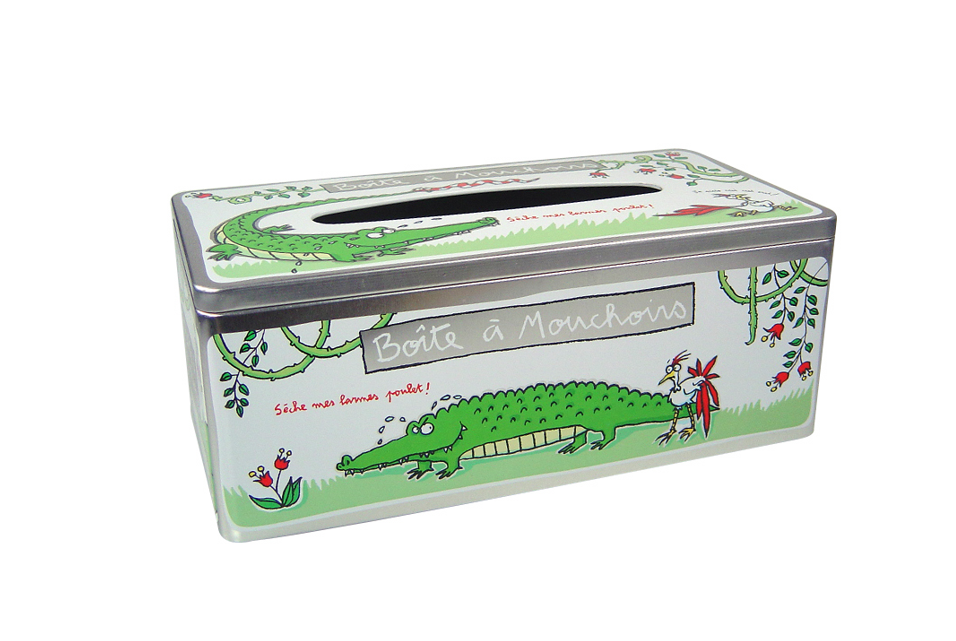
From intricate printing to functional dispensing slots, tinplate offers design possibilities that aluminum cannot match.