Beyond Plastic: 2026 Sustainable Packaging Regulations & The Tinplate Solution
For brand owners and procurement managers, 2026 isn't just a new year. It’s the year the bill comes due.
Across the European Union (with the PPWR - Packaging and Packaging Waste Regulation) and increasingly in the United States (with state-level EPR laws), the message is loud and clear: If your packaging is hard to recycle, you will pay for it.
"Plastic Taxes" and Extended Producer Responsibility (EPR) fees are skyrocketing. The days of using mixed materials—like those cheap paper boxes with plastic windows—are officially ending.
So, where do you turn? The answer has been here for 200 years: Tinplate. Here is why shifting to metal packaging is your best compliance strategy for 2026.
1. The "Mono-Material" Mandate (单一材质指令)
The biggest enemy of recycling is "Mixed Materials." A cardboard box with a plastic window usually goes straight to the landfill because it's too expensive to separate. 2026 regulations heavily favor Mono-Material packaging.
The Tinplate Advantage: A tin box is made of steel. That’s it. There are no hidden layers.
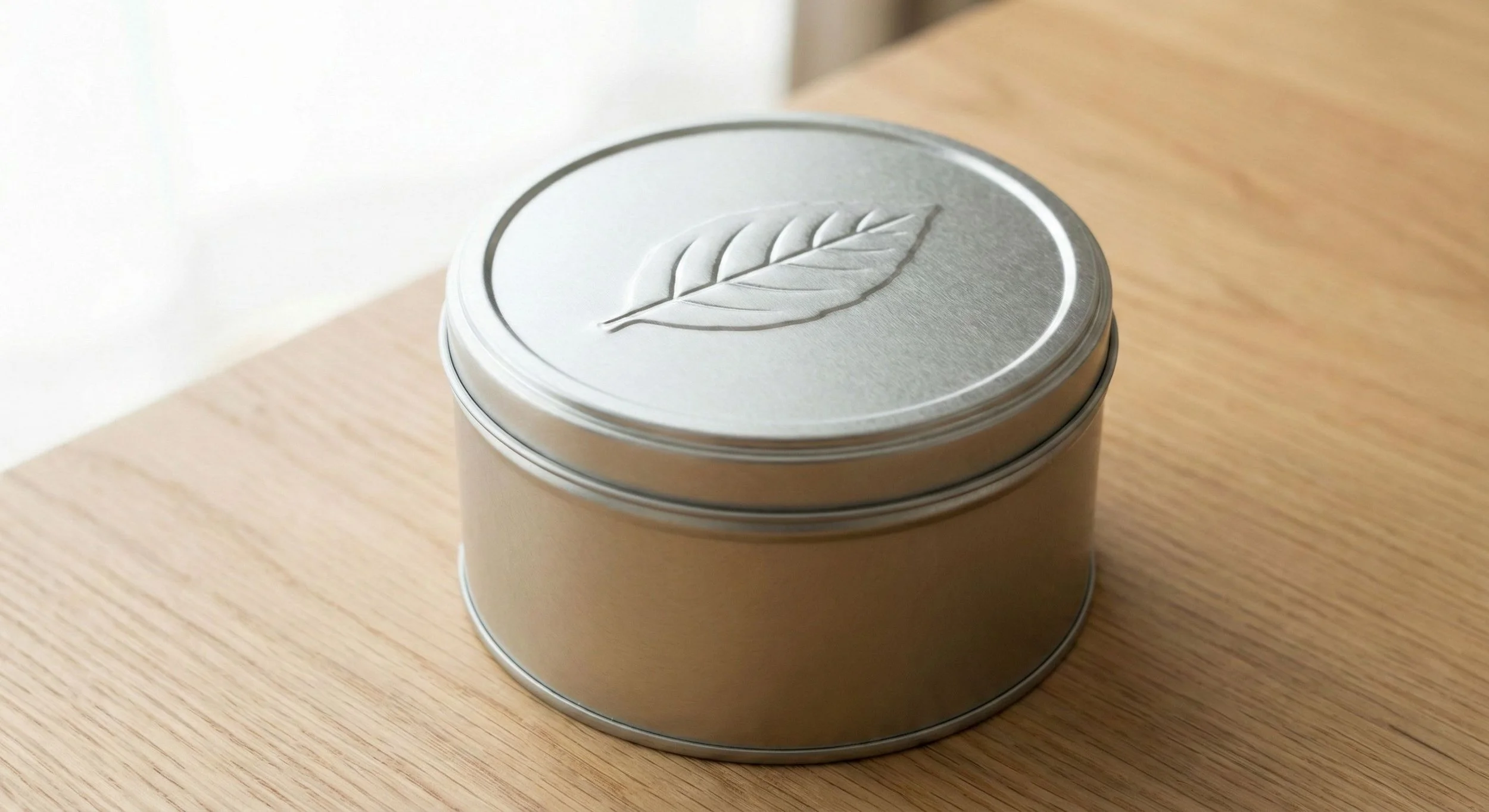
Actionable Tip: If you currently use a box with a PVC window, switch to a Solid Lid with embossing. It eliminates the plastic entirely and lowers your EPR fees.
(Compliance Upgrade: Consider our [Solid Lid Candle Tin] which is 100% plastic-free and fully recyclable.)
2. The "Magnet" Factor: Why Recyclers Love Steel
Why is metal the most recycled material in the world (recycling rates over 80%)? Because of Physics.
In a waste facility, physics does the work for you. A giant magnet simply pulls the tin box out of the trash stream. We often tell our clients: If you can pick it up with a magnet, you don't need to pay for complex sorting fees. It is the cheapest compliance hack available.
The Marketing Angle: You can proudly claim "Infinitely Recyclable" on your packaging. Steel does not degrade; today's cookie tin becomes tomorrow's bridge or bicycle.
3. Food Safety & Chemical Migration (PFAS Free)
Another 2026 regulatory hotspot is "Chemical Safety" (specifically PFAS and mineral oils). Cardboard and certain plastics are under scrutiny for chemical migration into food.
Last month alone, we received inquiries from three major cookie brands scrambling to replace their paper boxes due to mineral oil migration fears. The scrutiny is real.
The Safe Harbor: Tinplate is an impermeable barrier. Nothing gets in, nothing gets out.
JB Packing Standard: All our internal coatings are BPA-NI (BPA Non-Intent) and comply with FDA and EU regulations.
(Safety Check: View our [Food Grade Cookie Tin Container] which meets the strictest chemical migration standards.)
4. Durability = "Reuse" (The Ultimate Green Metric)
The new EU laws don't just want recycling; they want Reuse. A flimsy paper box is thrown away after one use. A beautiful printed tin box is kept by the consumer for years—to store sewing kits, photos, or coins.
Regulatory Bonus: Packaging that is designed for "Reuse" often qualifies for tax credits or lower fees under new EPR schemes.
Summary: Future-Proof Your Brand
Don't wait for the fine letter from the regulator. Switching to Tinplate isn't just about "saving the planet"—it's about protecting your bottom line from rising plastic taxes.
At JB Packing, our factory is ISO9001 and SMETA audited, ensuring that your sustainable packaging is produced ethically.
Worried about your 2026 compliance? [Contact us] to discuss a "Plastic-to-Metal" transition plan.